

Pectin
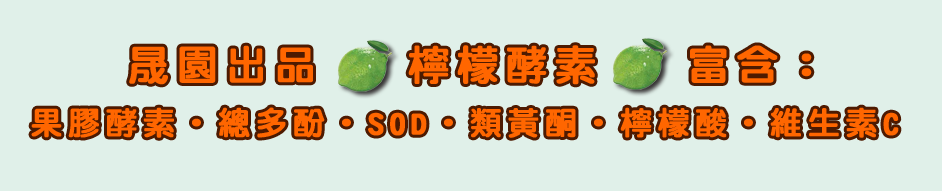
Pectin is a type of dietary fiber. It can increase satiety, alter the gut microbiota, make stool softer and easier to pass, and increase stool volume.
Total polyphenols
Polyphenols have strong antioxidant properties, and many types of polyphenols are found in red wine and tea. Polyphenols can boost energy, help maintain the normal function of the nervous system, and also have beauty benefits and fresh breath.
SOD (superoxide dismutase)
Superoxide dismutase (SOD) is an enzyme that catalyzes the conversion of superoxide into oxygen and hydrogen peroxide through a dismutation reaction. It is widely found in various animals, plants, and microorganisms and is an important antioxidant that protects cells exposed to oxygen.
Flavonoids
Bioflavonoids are water-soluble substances found in many natural plants, such as citrus fruits (including lemons), grapes, and strawberries. The antioxidant capacity of bioflavonoids is 50 times that of vitamin E and 20 times that of vitamin C. Their small molecular structure makes them easily absorbed by the body, where they function as antioxidants.
Citric acid
Citric acid is an important element in the human metabolic mechanism, the citric acid cycle. The “citric acid cycle” promotes digestion breakdown burning, turning food fully into heat, if the citric acid cycle can not proceed smoothly, the nutrients cannot be burned effectively, it will become lactic acid, piled in the muscles can cause muscle soreness, neuralgia and fatigue. Citric acid can help adjust the body, regulate physiological functions and promote metabolism.
Vitamin C
Vitamin C is easily soluble in water and cannot be produced by the human body; it must be obtained from food. Vitamin C promotes collagen formation, aids in wound healing, and maintains the tightness of cell structure. It also enhances the growth of connective tissue, bones, and teeth. Furthermore, vitamin C promotes iron absorption and has antioxidant properties.